
Luck or skill which truly dominates the casino experience
The Role of Luck in Casino Games
Luck plays an undeniable role in the casino experience, influencing the outcome of many games, particularly those based on chance. Games like slots and roulette are quintessential examples where luck dictates success. A player can spin the reels of a slot machine or place a bet on a roulette number without any knowledge of what the outcome will be, as https://funid.net/en/ reflects. This randomness can lead to significant wins, highlighting how luck can be a powerful motivator for players seeking excitement and the thrill of unpredictability.

Moreover, the allure of luck in gambling fosters a unique atmosphere within casinos. The flashing lights, celebratory sounds of winning, and the overall ambiance create an enticing environment that draws players in. People often recount stories of remarkable wins, reinforcing the notion that luck can lead to life-changing outcomes. This aspect of luck not only enhances the player experience but also serves as a marketing tool for casinos, as tales of luck can attract new visitors eager to try their hand at fortune.
However, while luck can lead to impressive wins, it can just as easily result in losses. Many players leave the casino feeling disappointed, having experienced the cruel side of luck. This unpredictability is what makes games of chance appealing, yet it also introduces a risk factor that players must navigate. Understanding the balance between luck and the inevitable losses is crucial for anyone looking to engage with casinos, reminding players that luck is transient and can change in an instant.
The Influence of Skill in Gambling
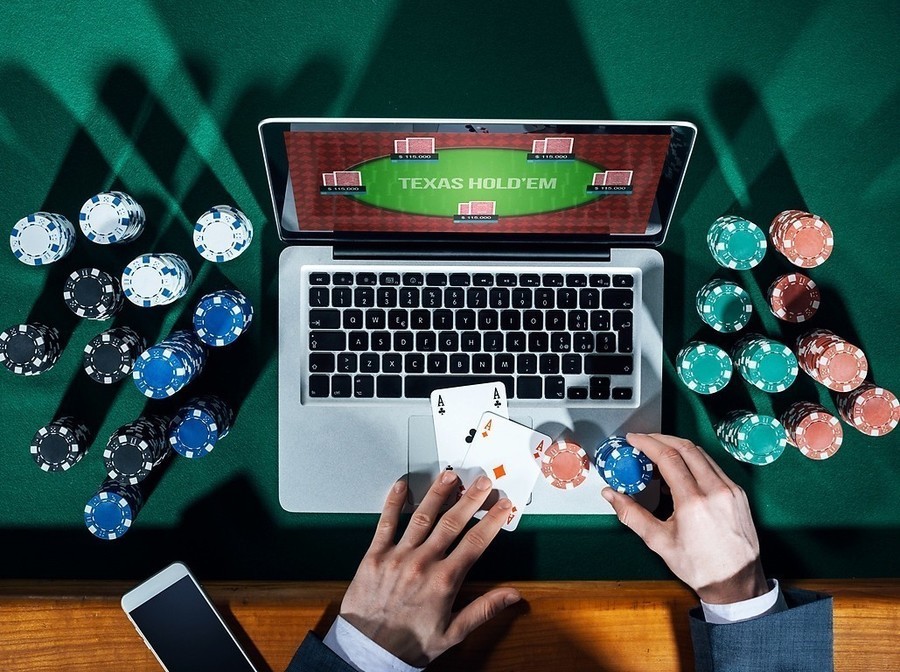
While luck is a dominant factor in many casino games, skill plays a significant role in others, particularly in games like poker and blackjack. These games require strategic thinking, psychological insight, and an understanding of probability. Skilled players can maximize their chances of winning through careful decision-making and by reading opponents. For instance, in poker, understanding when to bluff or fold can make all the difference in a game, underscoring the impact of skill in achieving success.
Moreover, skill-based games often encourage players to learn and improve over time, creating a community of dedicated enthusiasts. The strategy behind games like blackjack, where players can employ techniques such as card counting, demonstrates how skill can shift the odds in their favor. This investment in learning enhances player engagement, as individuals seek not only to win but also to refine their abilities. Skill, therefore, adds a layer of depth to the casino experience, transforming it from mere chance to a game of intellect.
Additionally, the element of skill can influence the perception of fairness in gambling. Many players appreciate the idea that, through honing their abilities, they can achieve consistent success rather than leaving everything up to chance. This belief can foster a sense of control and empowerment, making the gambling experience more enjoyable and rewarding. As players continue to develop their skills, they often become more involved in the gaming community, sharing tips and strategies that can enhance the overall experience for everyone involved.
The Balance of Luck and Skill
In the broader context of gambling, the interplay between luck and skill creates a unique balance that defines the casino experience. Many games incorporate elements of both, allowing players to experience the excitement of luck while also providing opportunities for skillful play. For example, even in games like roulette, players can adopt strategies regarding their betting patterns, blending luck with a degree of skill in decision-making.
This synergy between luck and skill also shapes how casinos design their games. By creating environments where both factors coexist, casinos can appeal to a wider audience. Players who prefer games of chance can enjoy the thrill of luck, while those who lean towards strategic games can find satisfaction in honing their skills. The diversity of gaming options enhances the appeal of casinos, encouraging repeat visits from a varied clientele.
Moreover, understanding this balance is crucial for responsible gambling. Many players mistakenly rely solely on luck, leading to poor decisions and financial consequences. By recognizing the influence of skill, players can approach their gaming experiences more thoughtfully, making informed choices that align with their personal gambling philosophies. This awareness can help create a more sustainable gambling culture, where enjoyment and responsibility coexist harmoniously.
The Psychological Aspects of Gambling
The psychological dynamics at play in the casino environment significantly affect the relationship between luck and skill. Gamblers often experience emotional highs and lows based on their perceived luck, which can, in turn, influence their behavior. The thrill of a big win can lead to overconfidence, while losing streaks might cause frustration or even a compulsion to chase losses, blurring the lines between luck and rational decision-making.
Furthermore, casinos are designed to exploit these psychological triggers, from the sounds of winning machines to the layout encouraging prolonged play. The environment can make players feel that luck is always just one bet away, perpetuating the cycle of hope and risk. Understanding these psychological elements can empower players to make better choices, encouraging them to take breaks or set limits to manage their gambling activities.
In addition, recognizing the psychological aspects of luck and skill can enhance the enjoyment of gambling. By approaching games with a balanced mindset, players can appreciate the experience without becoming overly attached to outcomes. This perspective allows for a more fulfilling casino experience, where the thrill of playing and the joy of engaging with others outweighs the pressure of winning or losing.
Conclusion: A Holistic Understanding of the Casino Experience
The casino experience is a multifaceted blend of luck and skill, each contributing significantly to the overall enjoyment. While luck may dominate games of chance, skill can elevate strategic games, creating a dynamic environment for players. Understanding this balance is essential for anyone looking to navigate the gambling landscape responsibly.
Moreover, the psychological factors at play add another layer of complexity, influencing how individuals perceive their experiences at the casino. As players learn to appreciate both luck and skill, they can cultivate a healthier relationship with gambling, ensuring that their experiences remain enjoyable and fulfilling.
As you explore the world of casinos, remember that luck and skill are both integral to the experience. Embrace the thrill of chance, but also invest time in developing your skills. This holistic understanding will enhance your casino visits, making them not just about winning or losing, but about the journey of play itself. Engage with the community, share experiences, and make the most of every visit, because every game is an opportunity to learn and grow.